I finished At Dark, I Become Loathsome glad I’d read it. It’s a deeply unsettling book, and it was never meant to be a comfortable read, but that discomfort is precisely why it works.
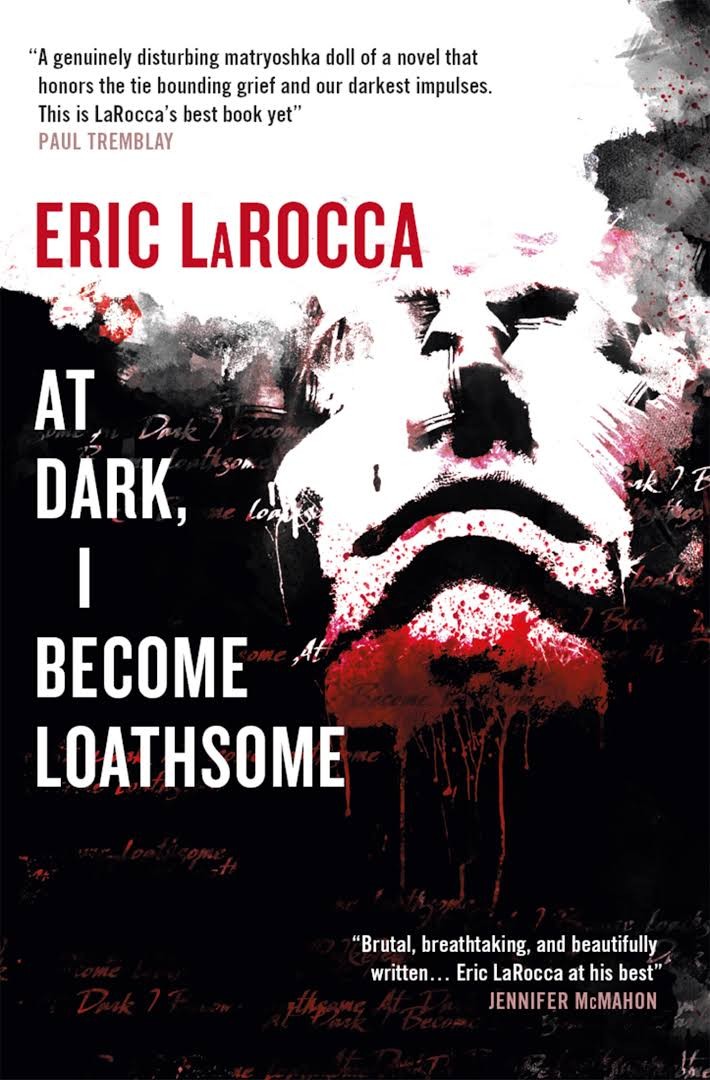
Ashley Lutin has spent years thinking the world would be better off without him. His wife is dead, his young son Bailey is missing, and he carries the guilt of believing he drove the boy away himself. As a way of managing that grief, he offers an unusual service to people contemplating suicide: he buries them alive for thirty minutes, then digs them back up. One night he meets a potential client whose story pulls him somewhere he doesn’t expect, and the ritual he’s built his identity around gets harder to hold together.
The book isn’t a long read and the scope is tight too. It is about the mess of grief, identity, and guilt, and LaRocca isn’t interested in tidying any of it up for the reader. The burial ritual is more than a shock hook. It works as a genuine metaphor for a man trying to control the one thing he can’t: his own unravelling.
This is a dark, unsettling book, deliberately so, but at points it tips past unsettling into something closer to repulsion, which added to the unravelling of Ashley. Sometimes, though, it felt a little under-explored. I wanted to stay with him through the guilt and the grief. Instead, there isn’t the space, and a few key revelations feel underwhelming.
This is a very specific kind of horror: unashamedly queer, and willing to go into taboo territory most books won’t touch, which feels fresh and very much overdue. This won’t be everyone’s cup of tea, but I thoroughly recommend it for what horror can be and do.