I’ll be honest with you: I am not a runner. I’ve never once used the word “fartlek” in a sentence. And for a long time, the idea of dragging myself out for a jog, only to watch everyone disappear into the distance while I puffed and panted along at the back, was a pretty convincing argument for staying on the sofa. Laziness, if I’m being completely honest, was doing a lot of the heavy lifting. And yet, somewhere along the way, I’ve run over 100 Parkruns, set a personal best of 26 minutes 13 seconds, and found myself with a Saturday morning running habit. So what happened?
Starting for the Wrong Reasons (Which Turned Out to Be Fine) #
Back in 2019, I wasn’t chasing a goal or following a plan. I just needed to get fitter and wanted a reason to get off the sofa on a Saturday morning. Someone suggested Parkrun. I turned up, ran 5km, didn’t die, and went back the following week. That was pretty much it.
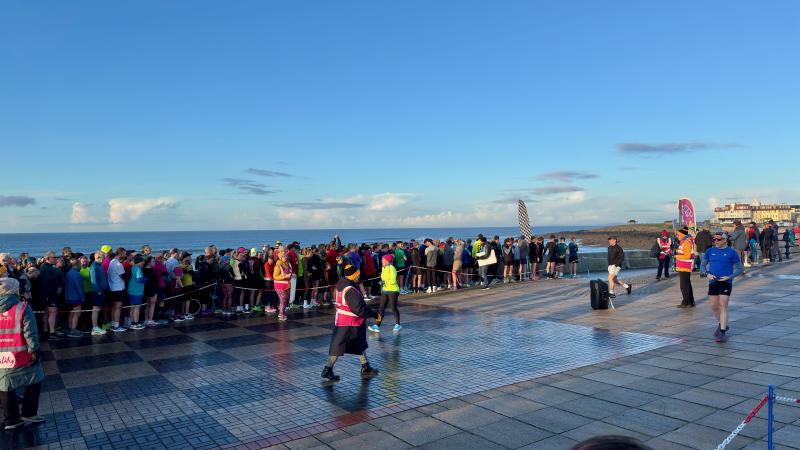
If you haven’t come across Parkrun before, it’s worth knowing about. It’s a free, weekly, timed 5km run held in parks and open spaces across the world every Saturday at 9am. No entry fee, no qualification standard, no pressure. And it’s genuinely inclusive: alongside the runners you’ll find walkers too, and nobody finishes alone because the tail walker, a volunteer who goes last, makes sure of it. The whole thing is run by volunteers, and the culture reflects that. It’s welcoming in a way that organised sport often isn’t.
I was very much at the back in those early weeks. But I kept going.
Five Years of Turning Up #
Between 2019 and now, I’ve run Parkrun regularly enough to earn my 100 club shirt earlier this year, a milestone in the Parkrun world that gets you a special black top and a shout-out from the race director at the pre-run briefing. It’s a small thing, but it matters. A hundred Saturday mornings. A hundred decisions to show up.
For most of that time, my times were perfectly unremarkable. I settled into a comfortable rhythm somewhere in the low-to-mid 30s and largely stayed there. I wasn’t pushing hard, but I was consistent, and consistency was enough.
The 30-Minute Wall #
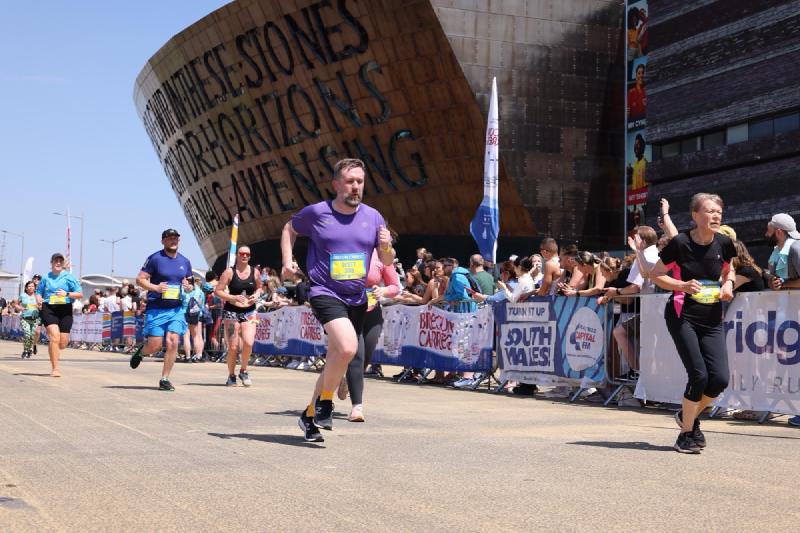
In the last year or so, I started nudging closer to 30 minutes. And then I hit it, and stayed there. Thirty minutes felt like my ceiling, the natural limit of what my body was prepared to do over 5km. I’d made peace with it, genuinely. It felt like a respectable time for someone who still maintains they’re not really a runner.
Then my 50th birthday appeared on the horizon. And something shifted. I didn’t want a dramatic transformation. I just wanted to break 30 minutes one more time, on the right side of fifty. A small, personal thing. Quietly motivating in the way that round-number birthdays sometimes are.
The Unexpected Assist #
Here’s where it gets interesting, and slightly unexpected: the thing that finally shifted my Parkrun times wasn’t more running. It was golf. A few months ago I joined a golf club, which sounds like the beginning of a midlife cliché but bear with me. Golf, it turns out, involves a lot of walking, and in my case, considerably more than average, given that my ball rarely goes where I intend it to. A more skilled golfer might cover the course efficiently. I am not a more skilled golfer. Combined with the general activity of being out on the course, I’ve lost around 5kg in the last three months without dramatically changing anything else.
And then a funny thing happened: my Parkrun times started dropping. Not because my running fitness had suddenly improved, but because I was carrying less weight over the same distance. The same legs, doing the same work, moving faster. My times fell from the 30-minute mark down to between 26 and 27 minutes. My current PB, set at Porthcawl, is 26 minutes 13 seconds (so far!).
I hadn’t trained harder. I’d just accidentally changed the conditions.
What This Actually Means #
I’m not telling you to take up golf. The point isn’t the golf.
The point is that progress in running doesn’t always come from running more. It comes from showing up consistently over time, from changes you sometimes don’t even plan, and from not writing yourself off as someone who “isn’t a runner” before you’ve even started. I spent years assuming my ceiling was fixed. Turns out it wasn’t, it just needed the right nudge from an unexpected direction.
If you’re at the start of this, nervous about turning up, convinced you’ll be last, unsure if you’re fit enough, here’s what I’d tell you: Parkrun was designed for exactly that feeling. Go once. Run, walk, shuffle, whatever gets you to the finish line. The tail walker will be behind you. Nobody is timing you except you.
And if you keep going back, one Saturday at a time, you might surprise yourself. I did. Fifty years old, 100 Parkruns in, and still finding out what I’m capable of.